Blog Updates

Subscribe to my blog updates and receive new blog posts directly into you inbox.

Lakagígar

| 4 IMAGES IN THE BLOG POST | No Comments

For years, I have been fascinated by the landscape around Mount Laki and the eerie story of the eruption of the series of craters to the west and east of Mount Laki in 1783 and 1784. I have summarized the events in a separate page, but concentrated on Iceland, where the eruption had consequences far into Europe. A dry fog had been detected over large parts of the country, which irritated the lungs and eyes.

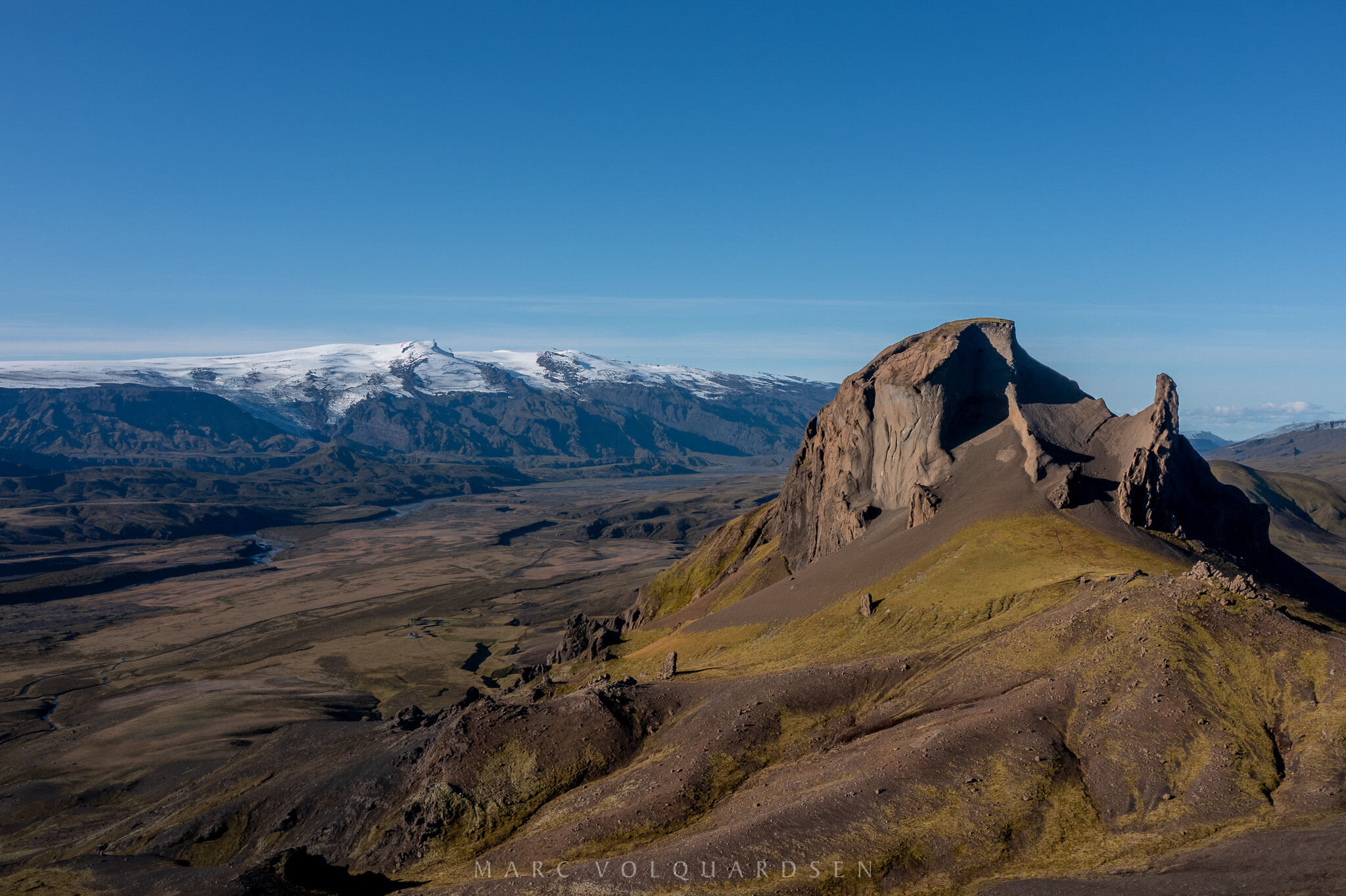
We had arrived at the foot of Mount Laki after a journey of around 40 kilometers by off-road vehicle. There is actually a ranger station there, but it was no longer manned at the beginning of September. Fortunately, the toilets had been left open! I hadn’t expected them to be designed as water toilets so high up in the highlands.

The entire course of the Laki Crater is now part of the Vatnajökull National Park. It is therefore forbidden to walk off the paths or to fly drones. There used to be a second ascent from the ranger hut at Laki, which is still marked on many maps. However, this is now closed, as are other trails around the craters.

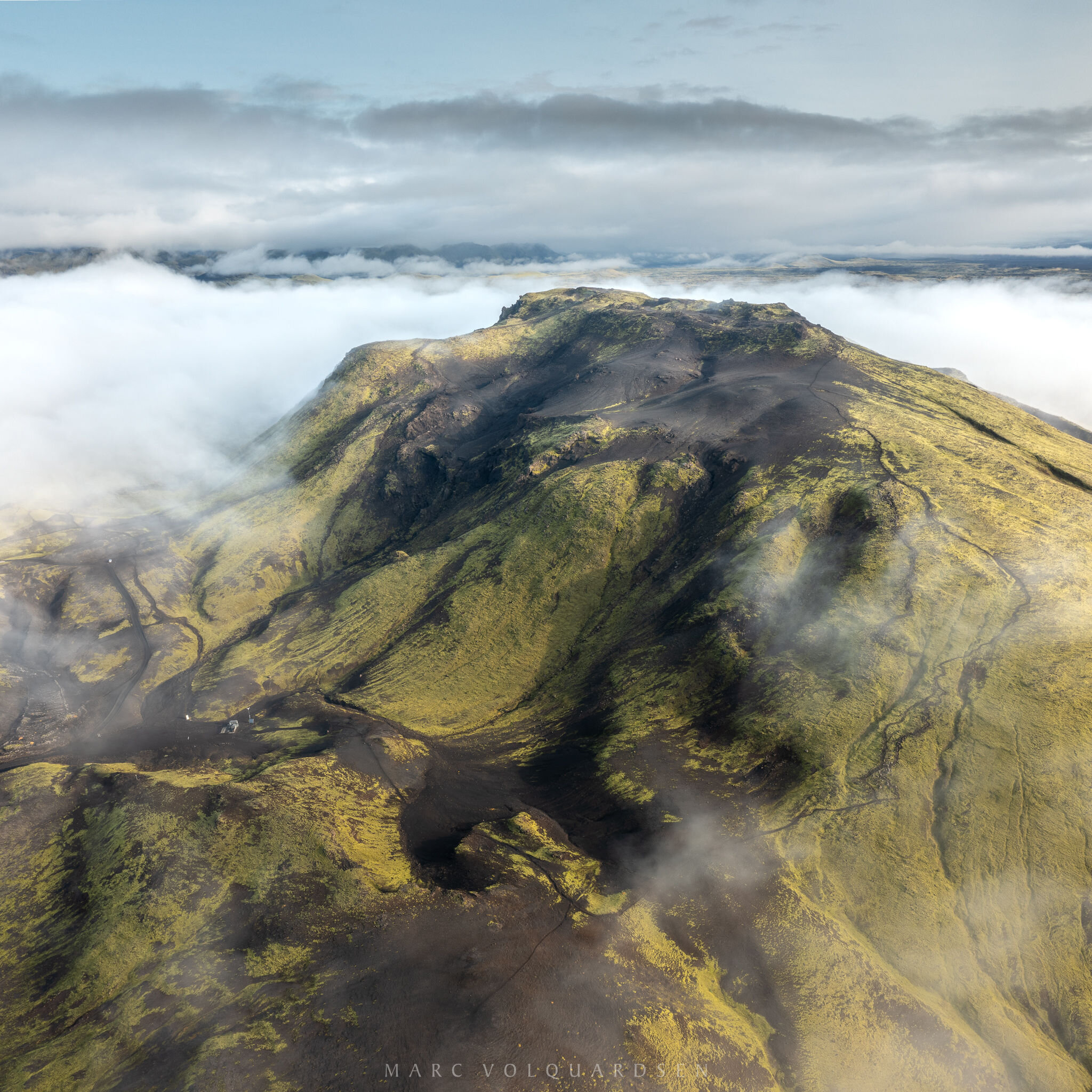
We were almost alone, there was only one other car in the parking lot for hikers a little higher up. So we parked our car there and made our way up the 818-metre-high Laki. It is also an old volcanic cone, but was not involved in the eruption of the fissure.
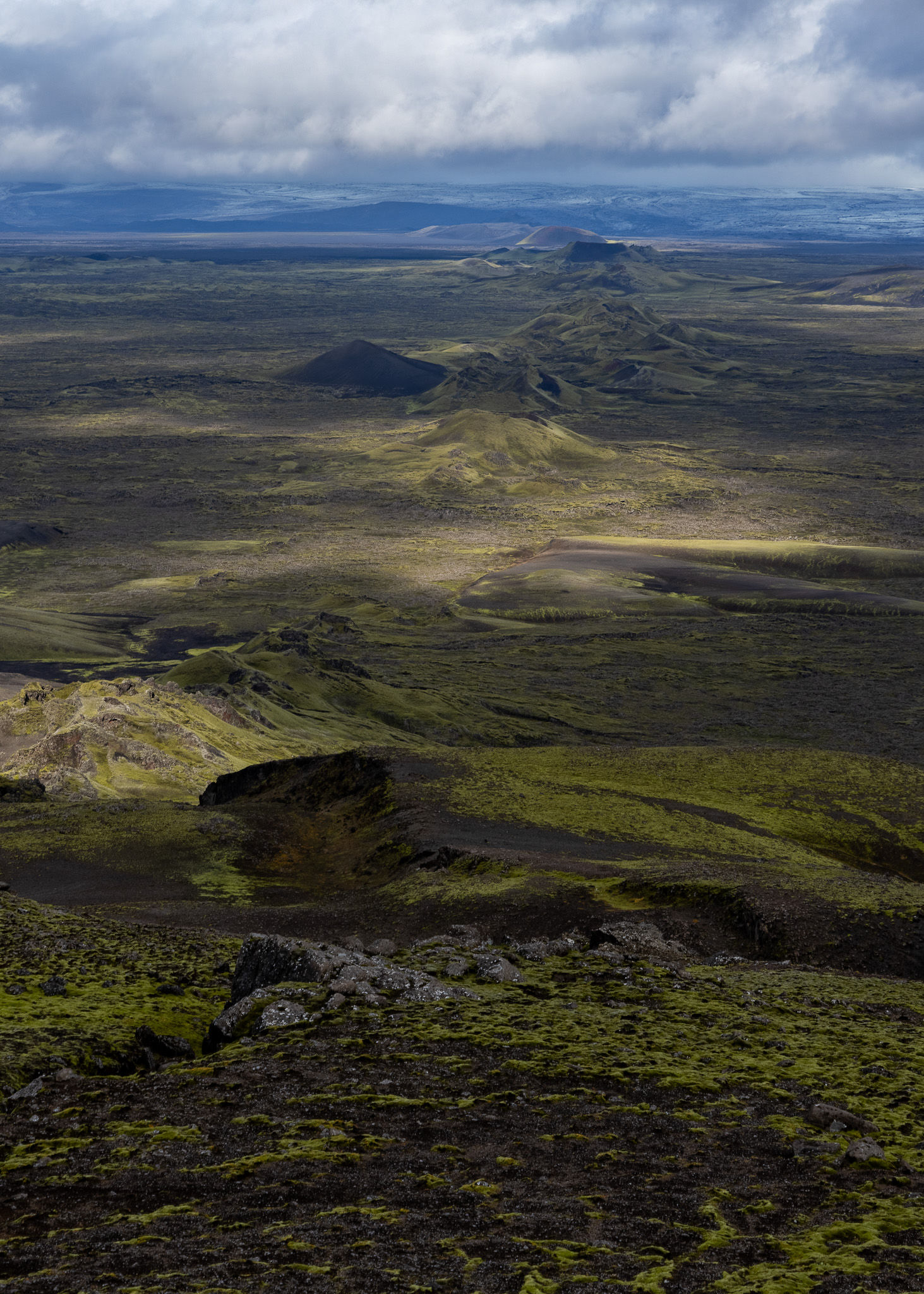
On 23 of the partly very steep path, you can hike a little to the north and then have a great view of the western row of craters. Incidentally, a signposted hiking trail leads through the fissure on the slope.

Luckily for me, the sun briefly broke through the otherwise closed cloud cover and gave me a great view of the craters and the lava flow south of the craters: read more or write a comment …
Fagrifoss in strong winds and sunshine

On the way to Laki

| 1 IMAGE IN THE BLOG POST | No Comments

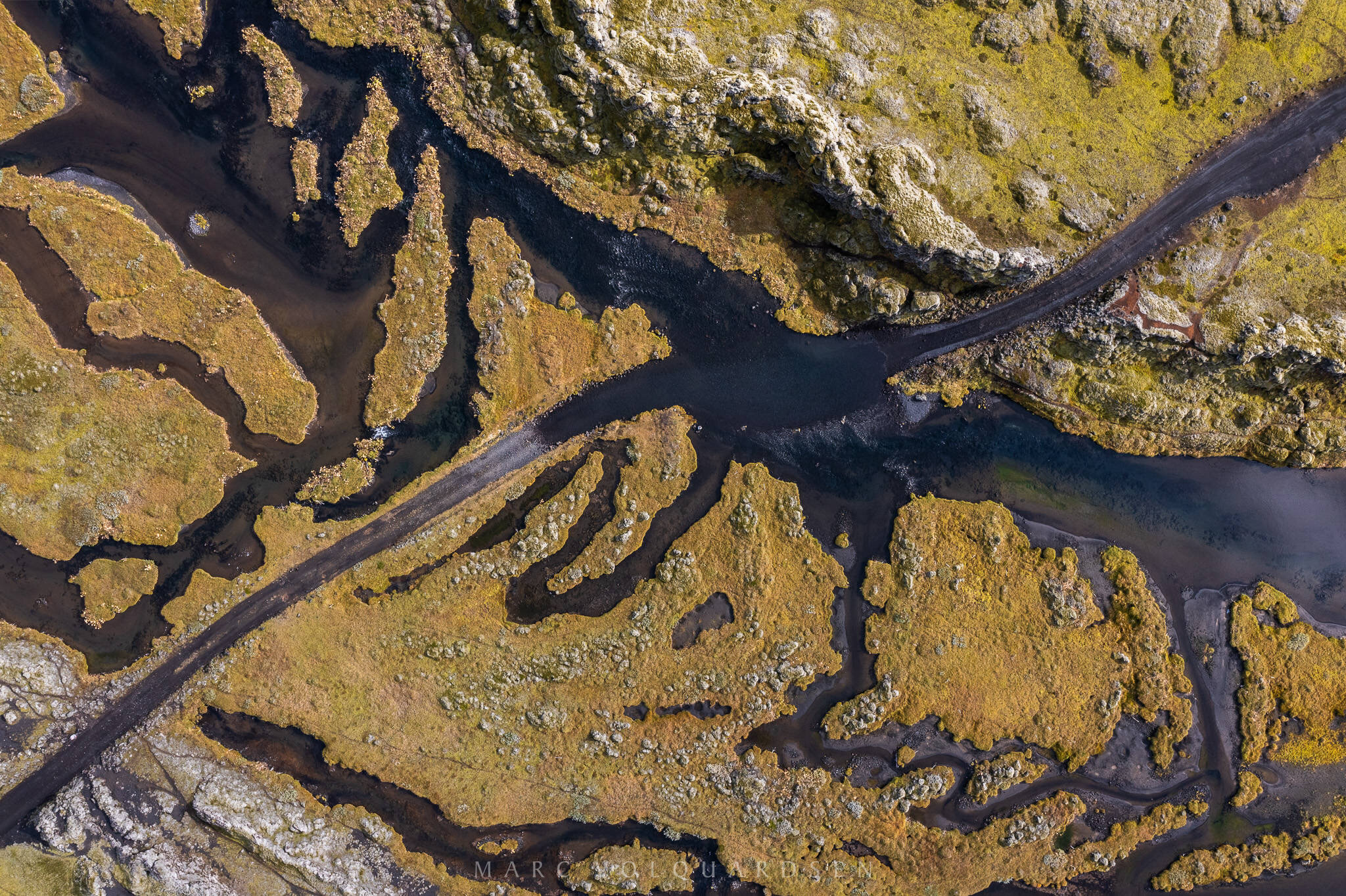
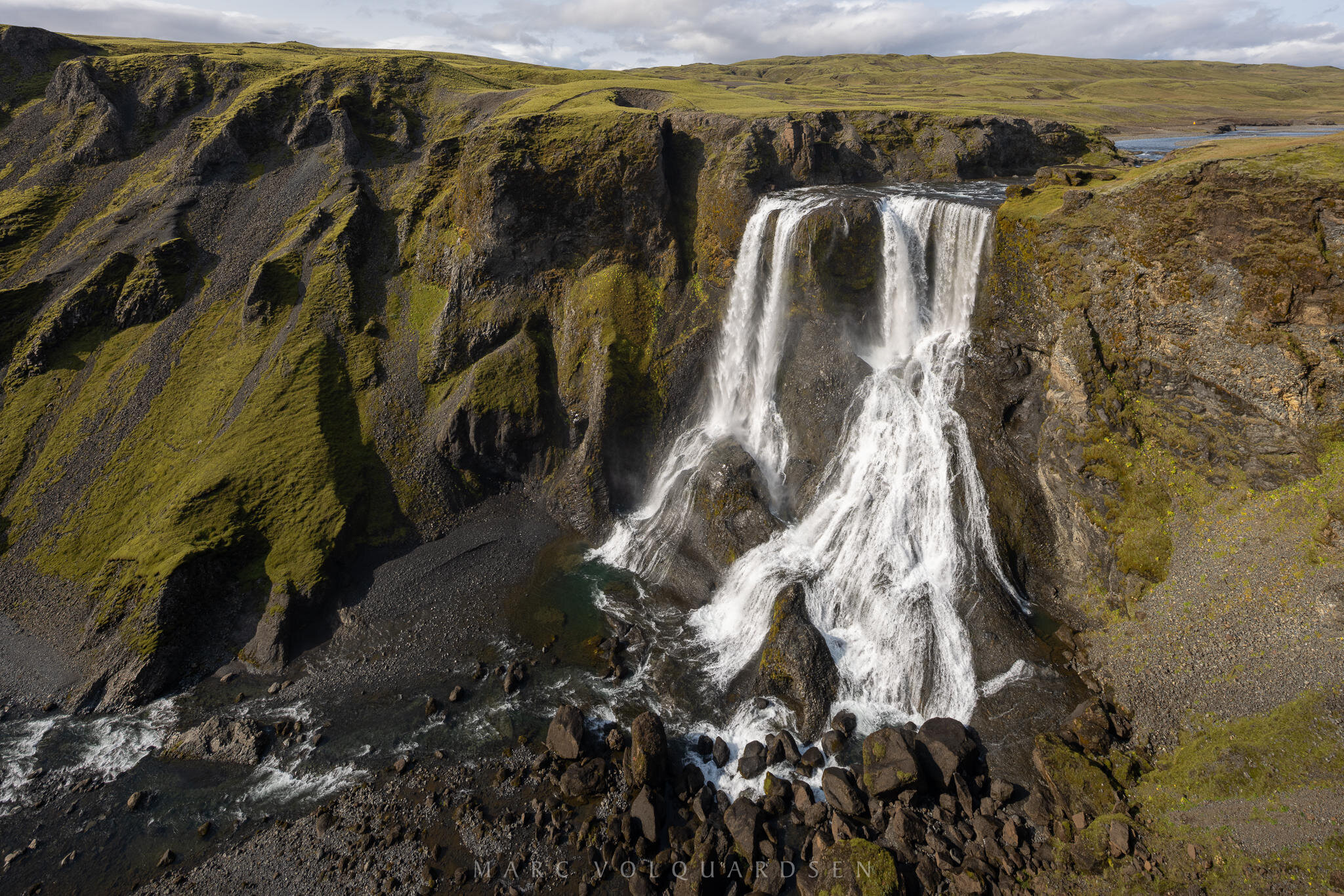
On the way to Lakagígar, the Laki craters, you have to cross several rivers. The riverbed of the Geirlandsá is particularly beautiful to cross in its wide gravel bed. Immediately after the crossing, you can turn south and take a short detour to the parking lot at the Fagrifoss waterfall. The footpath to a viewing platform is only a few hundred meters long. Incidentally, Fagrifoss translates as »beautiful waterfall«, which I can certainly confirm, especially if you can see it in sunlight.

The waterfall falls over 80 meters down a few steps, widening as it continues. Like long hair lying over shoulders.

Hólmsárlón (1464-Drone)

Hólmsárlón

| 1 IMAGE IN THE BLOG POST | No Comments

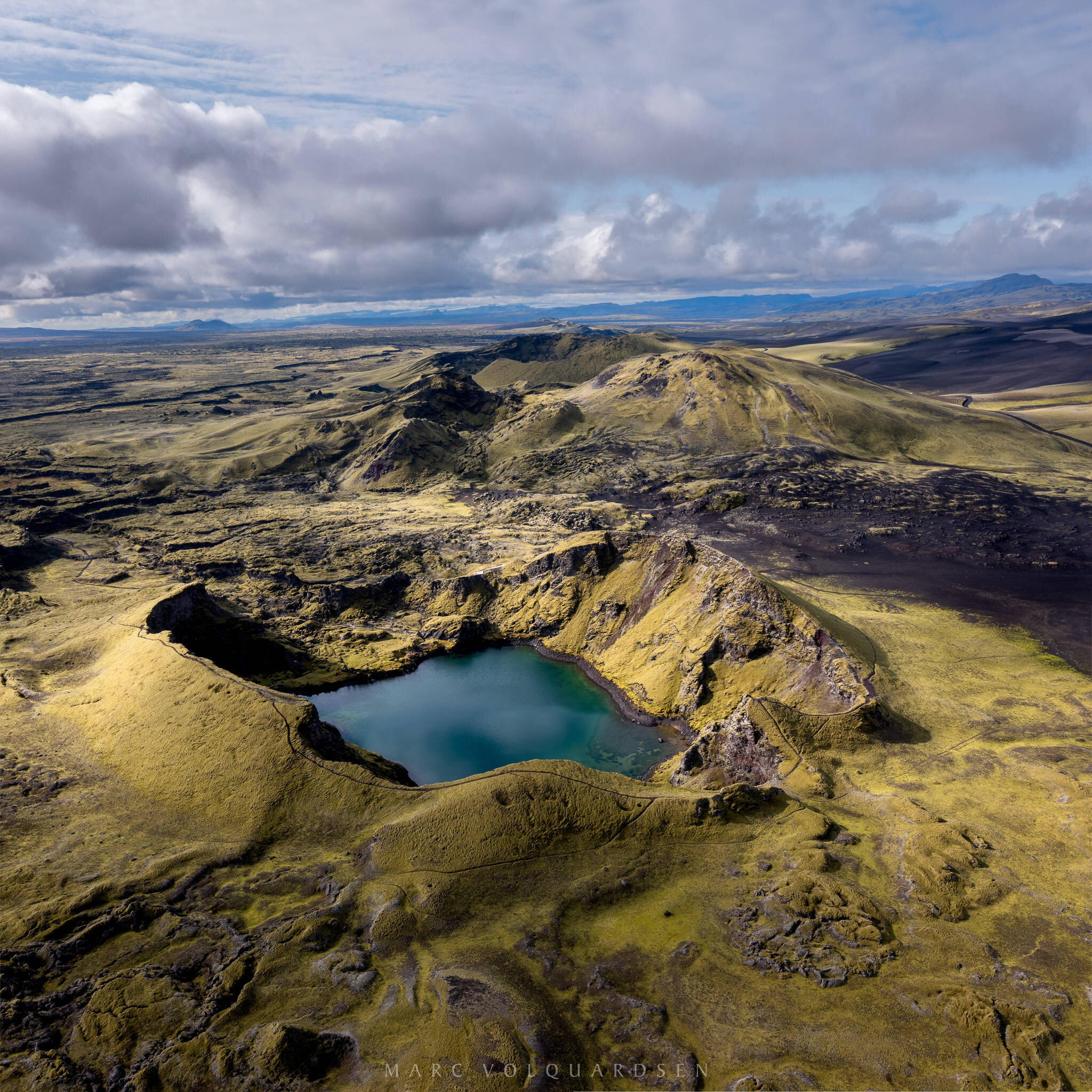
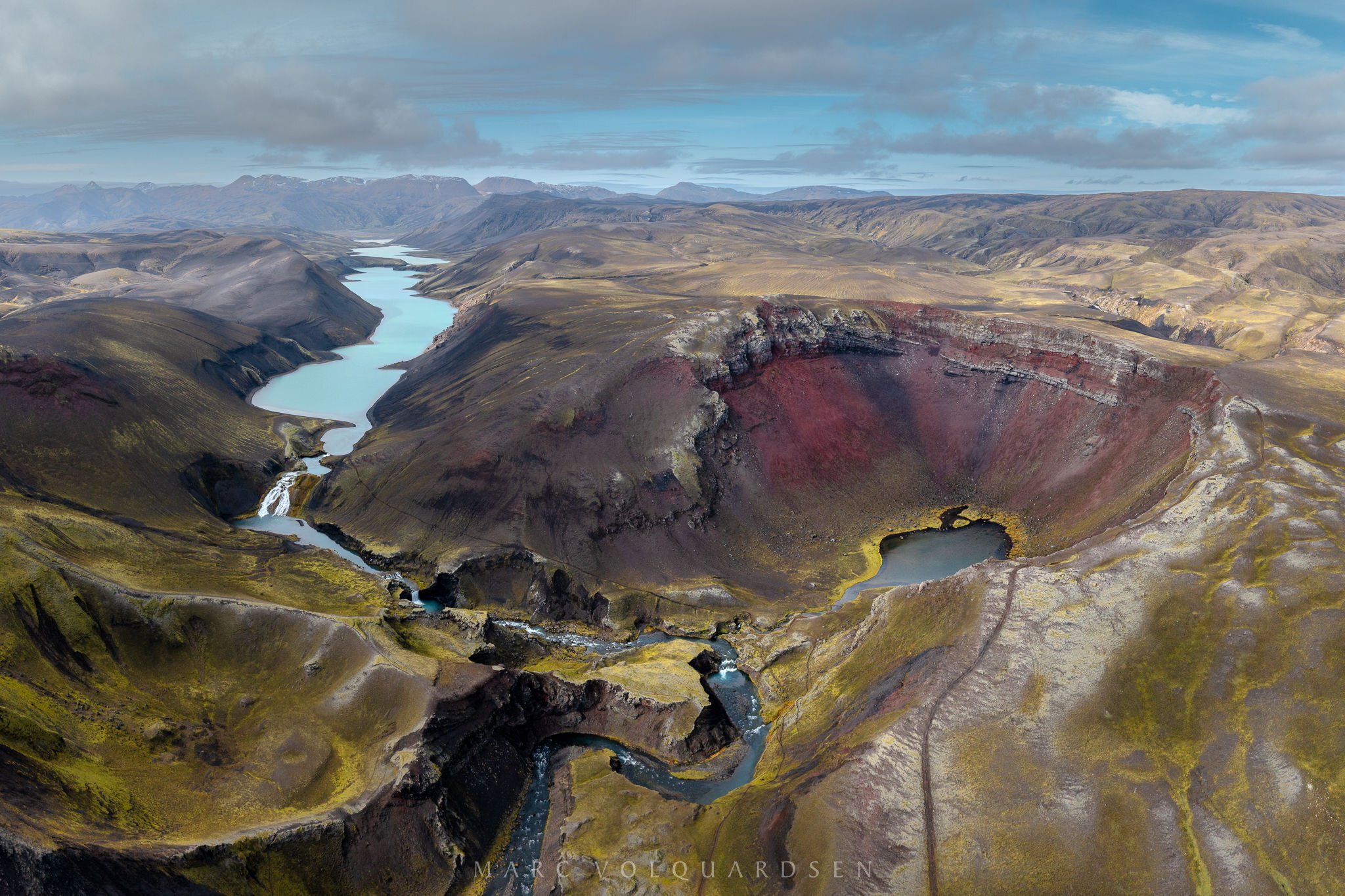
If you leave the ascent to the crater rim of Rauðibotn to the right and take the path to the left, you will come to Lake Hólmsárlón. The Hólmsá flows out of the lake in a small cascade. The turquoise color of the lake really comes into its own from a drone perspective. When we took a break at the bottom of the lake, I couldn’t really notice it, but it also has a lot to do with the angle to the sky.

In the background you can see the mountains around Hrafntinnusker, some of which are covered in snow.

Rauðibotn Crater (1999)

Rauðibotn — the red crater with the green ground

| 3 IMAGES IN THE BLOG POST | No Comments

This beautiful crater near the Hólmsá ford on the F210 can be reached on a short hike. However, you have to climb quite steeply to get this view of the crater, the upper stream of Hólmsá and the Mýrdalsjökull glacier in the background. But it is always worth it. The crater is hidden in the mountains above Hólmsá. If you are on the east side of the ford, a track goes a little way north and from the parking lot at the end you can hike up to the crater and the lake Hólmsárlón.

I had even taken my tripod with me here so that I could work with the polarizing filter in peace. The surface of the lake in particular was very reflective and I really wanted to have the bottom of the moss-lined lake in the picture. I hadn’t used a polarizing filter for the first shot as it didn’t work due to the position of the sun. But in the second picture, I’m looking at the red cinder rim of Rauðibotn, which gives it its typical red/green contrast: read more or write a comment …
Black and green Highlands II (1861-Pano)

Black and green Highlands (Pano)

| 1 IMAGE IN THE BLOG POST | 4 Comments

The view of the mossy river valley from the ground perspective in contrast to the previous drone perspective. I really wanted to have the erosion gullies on the sides of the black desert in the picture and thus give the moss a strong contrast. That’s why I opted for a panoramic shot. Otherwise I would not have been able to capture the river bend at all.

In the original, this panorama shot is over 9000 pixels wide and 4000 pixels high. It would therefore also print well as a panorama.

1 11 12 13 14 15 16 17 80